
Home Security Camera Buying Guide: Top Systems & Night Vision
Home Security Camera Buying Guide: Top Systems & Night Vision provides essential insights for homeowners seeking robust protection. Selecting the right security camera requires understanding your specific property layout, lighting conditions, and the level of monitoring you demand. Whether you are looking for advanced technology to deter intruders or a simple tool to check on a babysitter, modern solutions offer peace of mind. A high-quality camera captures critical details, though performance depends heavily on your choice of system brand and components. To explore more about specialized equipment for secure environments, visit expert survival and security equipment resources, which offer deep dives into tactical gear that complements your home setup. For those building a resilient household strategy, balancing DIY installation with professional-grade hardware remains the gold standard. By evaluating the latest options in connected home hardware, individuals can significantly increase their property safety, knowing that every detail is captured for later review by authorized parties who require clear identification evidence for personal protection or insurance documentation.

A professional-looking security camera mounted on a suburban home exterior wall with wide-angle view captured.
Essential Security Options for Modern Protection
Essential Security Options for Modern Protection define how families monitor their living spaces against potential threats like burglary or unauthorized entry. Security cameras represent the core of a surveillance network, enabling homeowners to use remote access to verify visitors or receive instant mobile notifications during suspicious activity. When considering top brands, SimpliSafe offers user-friendly features, while ADT provides comprehensive systems for those prioritizing professional oversight of their dwelling. A professional installer from official law enforcement inspired custom badges ensures your setup follows security best practices to maximize effectiveness. Regardless of the brand, integrating a reliable camera with a high-speed internet connection allows for seamless cloud storage access, ensuring no frame is missed when it matters most. As more households embrace smart technology, the ability to store footage securely while maintaining control over data becomes paramount for families. Reliable systems form the backbone of a safe environment, offering advanced tools that deter crime through constant surveillance, high-definition recording, and intelligent warning systems designed for modern, busy lifestyles.

A sleek, modern smart home security interface displayed on a smartphone screen showing multiple live camera feeds.
Evaluating Top Surveillance Technology Brands
Evaluating Top Surveillance Technology Brands is an important step in your research process. Companies like ADT, SimpliSafe, and Arlo lead the market in reliability and performance. Choosing a reputable company for your security camera purchase ensures long-term support for your software and hardware needs. Reliable brands offer superior cloud storage, robust building materials, and frequent updates that protect your system from digital security vulnerabilities. When assessing various options, think about the long-term commitment required for professional monitoring services vs. self-monitored systems. For renters needing adaptable solutions, explore flexible rental home security solutions guide to determine which systems suit flexible living arrangements best. Top-tier brands also excel in integrating third-party smart home devices, allowing your camera to trigger lights or alarms when motion is detected. Prioritizing well-established manufacturers provides peace of mind that your home security infrastructure can handle evolving threats through continuous firmware improvements and dedicated customer support channels. By investing in quality, you ensure that your asset protection strategy is both effective and durable, lasting for years while providing consistent visibility over your most valuable property areas.
Getting a free quote from ADT and peers
Getting a free quote from ADT and peers is often the starting point for property owners concerned about burglary risks and overall situational awareness inside their home. Most providers now offer personalized consultations that account for square footage, door entry points, and existing WiFi network range limitations prior to finalizing any equipment list. When contacting firms, inquire about bundle pricing that includes doorbell integration, outdoor cameras, and basic motion detection modules to maximize your budget efficiency effectively. Comparing quotes allows for a deeper understanding of the total cost of ownership, including potential long-term subscription fees for cloud storage and professional support. Always prioritize transparency in contracts to ensure that terms regarding hardware ownership versus leasing are favorable to your scenario. Professional teams will often conduct an onsite assessment to identify blind spots where a typical DIY installation might fail. By gathering multiple estimates, homeowners can negotiate better service terms while ensuring that the provided hardware meets the necessary benchmarks for high-definition video quality and system response times during emergency events.
Comparing current Consumer Reports ratings
Comparing current Consumer Reports ratings provides objective data points regarding the reliability of common camera sets currently flooding the consumer home safety market today. These reports often highlight specific performance issues such as frequent connectivity drops, poor night vision clarity in complete darkness, or overly complex user interfaces that hinder rapid response during urgent scenarios. When analyzing these scores, pay close attention to user privacy rankings, as many lower-cost models lack sufficient encryption protocols to shield your personal data from unauthorized remote access. Modern surveillance systems must balance ease of use with hardened security features that thwart potential hackers from exploiting network vulnerabilities. Expert reviews consistently emphasize that high-resolution output alone is insufficient without accompanying stability in the software suite and backend recording services. By utilizing these independent evaluations, buyers can avoid purchasing underperforming gear that might leave them vulnerable during critical security failures. Successful selection depends on matching your specific requirements for coverage with a highly-rated system that meets established safety standards and provides consistent user experiences across various mobile device platforms.
Choosing Between Diverse Camera System Models
Choosing Between Diverse Camera System Models requires an evaluation of your specific layout and monitoring goals. Modern security cameras come in a variety of configurations, including dome cameras, bullet cameras, and discrete wireless units designed for covert installation. If your primary objective is asset protection across a large property, a robust NVR setup utilizing IP cameras often provides superior video security compared to individual standalone devices. You must consider the environment for each unit, as exterior locations demand weather-resistant housings, while indoor spaces benefit from smart home aesthetic integration. Whether you favor a wired CCTV infrastructure for stability or prefer the flexibility of a modern IoT system, the camera choice dictates your overall system performance. High-definition resolution is increasingly standard, but you should also weigh the importance of wide-angle lenses versus optical zoom capabilities. Ultimately, the best model bridges the gap between your physical requirements and the level of real-time monitoring you desire for your connected home security ecosystem.
Comparing current Consumer Reports ratings
Understanding physical Equipment requirements is fundamentally essential for any surveillance installation project. Before purchasing products from providers like ADT or SimpliSafe, you must map your property to determine where each camera will be placed to minimize blind spots. Physical hardware needs go beyond just the camera unit; you must consider mounting brackets, length of cabling for wired systems, and signal range for wireless models. If you opt for an HD-over-coax system, the quality of shielding on your cables is a critical factor for preventing interference in long runs. Furthermore, checking the ingress protection rating for outdoor units ensures your equipment survives moisture and dust exposure throughout the seasons. Battery-powered devices offer ease of movement but mandate a rigorous maintenance schedule to prevent downtime. By carefully assessing these physical constraints, you ensure that your investment in protection technology yields a reliable surveillance net that remains operational and responsive under various environmental conditions and daily stressors.
Analyzing the costs of a monthly Subscription model
Analyzing the costs of a monthly Subscription model helps clarify the total cost of ownership for your home security system. While many cameras offer basic functionality out of the box, advanced features like cloud storage, prolonged video history, and high-level artificial intelligence often sit behind paywalls. When selecting a system, calculate the cumulative expense over several years, as these subscription fees can significantly surpass the initial hardware costs. Proponents of these models argue that they provide essential maintenance, automatic firmware updates, and secure off-site data archival, which is vital if the physical camera is destroyed or stolen during a burglary. However, you should verify if the provider allows for local recording options, such as an NVR or microSD card, which could mitigate the need for perpetual recurring charges. Always review the terms of service regarding data privacy, as your recording storage habits directly correlate to how your personal visual data is managed and accessed by the server provider.
Professional Camera Buying Guide and Best Practices
Professional Camera Buying Guide and Best Practices focuses on the optimization of your surveillance environment through informed system selection and logical placement. Successful security depends on the strategic deployment of hardware, ensuring that cameras covering entry points, driveways, and common areas work in harmony to alert users before incidents escalate. Professionals often employ strategic customer relationship management tools to track maintenance schedules and firmware updates for their security hardware across multiple managed client sites. A well-designed system incorporates NVR or DVR storage, providing a secure repository for high-definition footage that can be used for evidence if a crime occurs. Understanding individual camera features—such as field of view, focal length, and audio verification—allows property owners to tailor their defenses effectively. Adhering to professional installation standards, including proper cable concealment and protected power routing, mitigates risks and improves the longevity of your investment. This guide highlights the necessity of regular system integrity audits to ensure every camera is functioning optimally and remains shielded from common network-based intrusion attempts targeting home security devices.

A professional technician carefully installing a high-definition security camera on the corner of a residential building.
Why Wireless Cameras Are Changing the Industry
Why Wireless Cameras Are Changing the Industry centers on the convenience and accessibility of modern battery-powered technology. These sleek, portable units allow for rapid deployment in areas where traditional wiring is difficult or impossible to run, such as detached garages, sheds, or temporary living spaces. Wireless connectivity utilizes existing WiFi networks to stream video directly to your smartphone or cloud storage provider, eliminating the need for complex, manual cable installation. While these units are visually unobtrusive, they require diligent monitoring of battery life to maintain uptime. Many homeowners find that using modern charging stations or solar accessories significantly enhances the reliability of these systems. For those interested in alternative gear setups, digital marketing and business growth strategies provide insights into how modern technology platforms enable remote asset management. Despite the technical simplicity, users must ensure their home router holds enough bandwidth to support multiple streams simultaneously, preventing bottlenecks that degrade video quality during high-traffic periods in the local network environment surrounding the residence for optimal protection.
Comparing current Consumer Reports ratings
Maximizing Connectivity for stable feeds requires a robust network configuration that separates your main household traffic from your security camera video streams to prevent latency. Most advanced routers now offer VLAN or Guest network capabilities, which can isolate your wireless camera devices from less secure smart home equipment, thereby hardening your digital security posture overall. Ensuring proper signal strength at every camera location is non-negotiable for real-time monitoring, as weak connections lead to frozen frames and triggered alerts that fail to capture the critical seconds of an incident. Hard-wiring stationary cameras using Power-over-Ethernet (PoE) will always outperform wireless solutions, but where wireless remains necessary, invest in high-quality outdoor range extenders. Consistent maintenance of your WiFi network password and firmware prevents unauthorized access while ensuring that camera communication remains transparent and responsive. By prioritizing network stability during the initial deployment, you establish a reliable foundation for responsive alert systems that function correctly whenever motion detection sensors are triggered near your key property entry points.
Optimizing every Location for coverage density
Optimizing every Location for coverage density involves a strategic assessment of your property to ensure no blind spots remain for intruders to exploit. Experienced installers recommend placing cameras at eye level for facial recognition accuracy while positioning them high enough to prevent physical tampering or accidental damage. Key areas of focus should encompass the front doorway, rear entrance, driveway, and any ground-floor windows that are hidden from street view, as these are the most common points of entry for burglars. If you are also interested in outdoor motorized equipment like bicycles, outdoor sports and cycling equipment guides can provide context on how to secure those valuable assets alongside your property with dedicated cameras. A dense coverage strategy creates a continuous field of overlapping views, which prevents gaps in surveillance. Regularly testing motion alerts from various angles allows for minor positioning adjustments that significantly improve the efficiency of your monitoring system and ensure accurate detection throughout your home exterior perimeter.
The Rise of Wired Cameras for Reliable Home Security
The Rise of Wired Cameras for Reliable Home Security remains a cornerstone for users prioritizing stability over plug-and-play simplicity. Unlike wireless alternatives that rely heavily on a sometimes erratic WiFi network, wired systems provide a dedicated path for data transmission, ensuring that video quality remains consistent regardless of surrounding interference. Wired surveillance systems are particularly advantageous for large-scale deployments where bandwidth constraints and latency could disrupt real-time monitoring. By utilizing Ethernet or coaxial cabling, you avoid the common pitfalls associated with signal drops in concrete or metal structures, which often plague wireless designs. Modern wired cameras offer enhanced security because they are less susceptible to network-based jamming attempts. While installation tends to be more labor-intensive and may require professional setup assistance, the reliability factor creates a robust foundation for serious property protection. This architectural approach ensures that your video recordings remain pristine and accessible, acting as a reliable digital vault that sustains your safety infrastructure without the unpredictability of airborne data signals.
Ensuring a stable power source for uptime
Ensuring a stable power source for uptime is a common hurdle when transitioning to permanent surveillance installations. If you are deploying wired hardware, Power over Ethernet is a standard method that simplifies wiring by transmitting both data and electricity through a single cable to your cameras. This configuration minimizes the clutter of power adapters and enhances the resiliency of the system by allowing you to connect your primary network switch to a centralized uninterruptible power supply. For locations where drawing new lines is impossible, alternative methods like deep-cycle batteries or solar-assisted power kits can provide the necessary energy for long-term monitoring. Regardless of the chosen method, avoiding single points of failure is key to maintaining consistent visual security. Frequent checks of your power infrastructure prevent gaps in coverage that criminals might exploit. By dedicating attention to the electrical backbone of your system, you guarantee that your cameras remain active and ready to record, providing the essential protection you require for your home or business operations.
Understanding physical Equipment requirements
Benefits of professional monitoring setups extend well beyond simple video recording, providing a vital layer of human oversight for your property. When you contract with an established firm, your security system is linked to a central operations center where trained personnel assess motion alerts and alarms in real-time. This proactive monitoring approach can speed up emergency response times significantly, as agents can perform audio verification or video verification before dispatching responders. This is particularly effective during a suspected burglary or incident where immediate human judgment is needed to discern between false alarms and genuine threats. Furthermore, these companies often provide comprehensive maintenance for your cameras and recording storage devices, ensuring that your equipment is always calibrated and fully operational. Access to professional support during critical moments provides peace of mind that a DIY installation simply cannot match, as experts are constantly refining the protocols that define how your safety data is prioritized, stored, and utilized during an emergency situation.
Smart Surveillance Integration and Automated Analysis
Smart Surveillance Integration and Automated Analysis represent the pinnacle of modern home security, transforming passive recording into a proactive shield through smart technology. Artificial intelligence enables your security camera to distinguish between routine neighborhood traffic and genuine threats, significantly reducing false alarms caused by pets, trees swaying, or random wildlife. Integration with your connected home ecosystem allows for seamless automation, such as turning on outdoor lighting or locking smart doors immediately upon detecting motion in specific areas. Utilizing centralized professional printing and design services can help you create clear, descriptive labels or signage for your system components if they are installed in a large, complex property to aid in maintenance. As deep learning algorithms continue to evolve, the capacity for facial recognition and behavior analysis improves, offering users sophisticated reports that inform them of unusual patterns. This level of intelligence creates a powerful deterrent effect, as homeowners can set up automated responses that make the residence appear occupied and fully protected, even when they are miles away on vacation or at work.
Leveraging Machine Learning and Advanced Algorithms
Leveraging Machine Learning and Advanced Algorithms is the secret to cutting-edge security systems that function like a personal guard. By employing computational complexity and mathematical optimization, these systems process immense amounts of incoming data, using statistical inference to identify anomalies instantly. This approach significantly shifts monitoring from reactive playback to predictive modeling, enabling you to address potential security breaches before entry occurs. Deep learning allows the camera to adapt to your specific home environment, learning that a delivery driver is normal while a person lurking at 3 AM is an anomaly. Through software engineering, developers have created platforms accessible to everyday users, providing high-level automation without requiring advanced coding skills. Implementing this technology ensures that your home remains at the forefront of digital safety, utilizing big data to keep your assets protected against sophisticated threats while offering granular control over privacy settings. As algorithms improve, the accuracy of detection increases, turning your security setup into an intuitive, learning system that grows more helpful and vigilant over time.
Refining motion detection for fewer false alerts
Refining motion detection for fewer false alerts is vital for preventing alarm fatigue and ensuring that you act promptly when a real notification arrives. Modern systems allow you to set specific activity zones, ensuring the camera ignores areas like heavy traffic streets or swaying trees that frequently trigger motion sensors without real cause. By adjusting sensitivity thresholds based on time of day, you can maintain high alertness at night while allowing more freedom during daylight hours. High-quality systems will also differentiate between human movement, animal movement, and vehicle detection, allowing for highly targeted intelligent alerts sent directly to your phone. If a persistent issue remains, physically recalibrating the lens angle to avoid busy backgrounds often solves the problem instantly. Consistent testing of your alert system ensures that you remain informed during actionable events, keeping your home security measures highly responsive and practical without becoming an annoyance in your daily routine of property care and monitoring.
Understanding physical Equipment requirements
Setting up Smartphone Alerts for instant notification serves as your crucial bridge between hardware recording and active response when potential threats emerge at your premises. Configure these alerts so that you receive push notifications specifically for confirmed events rather than every minor movement in the field of view. By customizing notification sounds, you can distinguish between different security events, such as a doorbell ring versus a perimeter motion alert, allowing for immediate knowledge of the urgency level. Most platforms today support both image snapshots and short video clips within the notification banner, providing an instant visual context without needing to launch the primary application immediately. This enables rapid decisions, such as calling local law enforcement or using two-way audio to deter unwanted individuals. Reliability is non-negotiable here; verify that your application has background refreshing permissions enabled to prevent data stalls. Establishing this real-time communication loop transforms your security camera network from a passive tool into a genuinely proactive defense mechanism that supports your personal safety requirements.
Choosing Between Diverse Camera System Models
Applying Neural Networks to Your Personal Dataset allows advanced users to elevate their home surveillance from simple recording to proactive intelligence. By leveraging deep learning and artificial intelligence, you can train custom models to recognize specific patterns, such as distinguishing between a family member returning home and an unrecognized intruder. This transition into predictive modeling requires gathering substantial video frames to create a robust repository of big data. Computational complexity becomes a factor, as processing these algorithms usually demands a dedicated machine rather than relying strictly on the camera processor. By applying mathematical optimization to your image data, you can implement sophisticated object detection that filters out ambient motion, such as moving leaves or pet activity, reducing false alerts significantly. This level of automation turns your static recording system into an analytical tool, enabling you to derive actionable insights from your daily visual stream while maintaining full control over the algorithms governing your digital security environment.
Understanding physical Equipment requirements
Using Python scripts for custom data logic provides the flexibility to create bespoke surveillance automation that traditional off-the-shelf software cannot offer. Python excels in the realm of software engineering for security because it bridges the gap between hardware recording and intelligent analysis through straightforward programming. You can write scripts that interface directly with your camera streams to trigger specific actions, such as sending an encrypted notification to your mobile device only when a verified human is detected. By incorporating various libraries, you can automate the process of moving old files to long-term storage or even trigger smart home scenes based on visual input. This control enables you to build a highly optimized workflow that matches your exact security needs. Furthermore, scripting allows for rapid prototyping of new alert triggers as your home connectivity requirements grow. When you transition from passive monitoring to active data logic, you gain the capability to tailor your system’s response patterns to perfectly align with your lifestyle and immediate safety concerns.
Analyzing the costs of a monthly Subscription model
Integrating open source data libraries for automation is the final step toward creating a truly professional-grade, autonomous surveillance platform in your home. By utilizing well-documented repositories, you can tap into specialized facial recognition or gesture processing modules that are otherwise expensive or unavailable. These libraries allow for seamless integration with existing NVR hardware, creating a unified ecosystem where different data streams are processed and managed with precision. Whether you are using tools for image processing or statistical inference to analyze foot traffic patterns, open source projects offer transparency that is often missing from vendor-locked applications. This ethical approach to coding gives you complete autonomy over your data privacy while ensuring your security tools remain updated through community-driven development. Integrating these tools facilitates a streamlined, automated workflow that requires minimal human intervention, effectively hardening your system against vulnerabilities while maximizing its intelligence-gathering potential for the long-term safety and protection of your personal and professional space.
Mastering Security Camera Installation and Settings
Mastering Security Camera Installation and Settings starts with physical placement and ends with a perfectly tuned digital configuration that captures everything necessary. Whether you are performing a DIY installation or choosing a professional service, the final result must provide unobstructed views and sufficient coverage density for your most vulnerable zones. Adjusting recording storage settings to optimize Frames per second and resolution ensures that you maintain high quality for identification purposes while keeping your total data usage managed. Proper maintenance, including regular cleaning of lens surfaces and periodic testing of battery levels, ensures your gear remains operational during harsh weather or long-term neglect. By mastering the settings, you can define exactly how your camera interprets motion, records sound, and stores information in the cloud or local NVR unit. Following these best practices for maintenance and software configuration creates a durable, high-performance security environment that protects your home effectively and reliably, providing clear evidence whenever required for any security-related investigation or insurance claim process throughout the year.
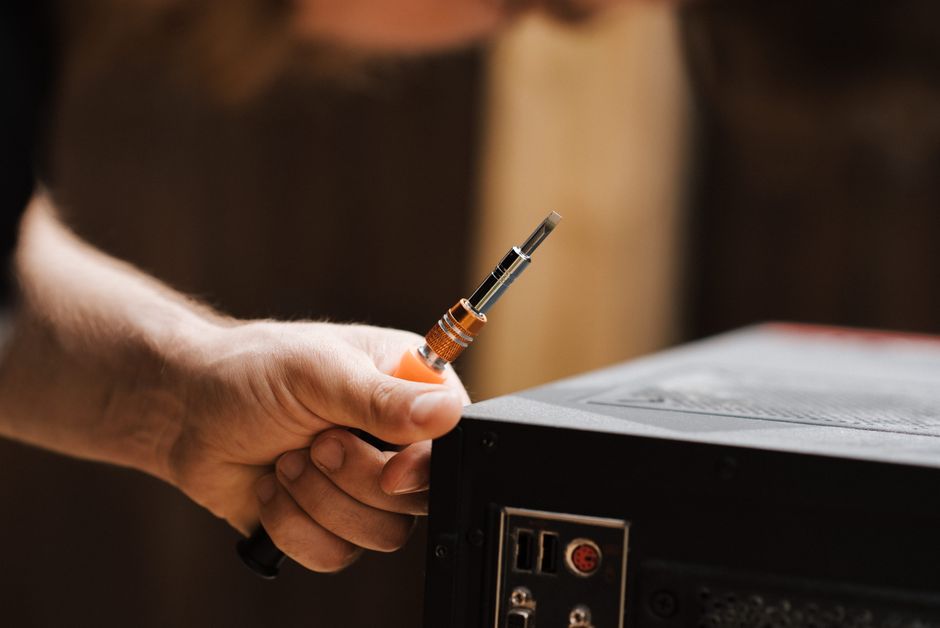
A close-up of a person using a screwdriver to adjust the mount of a security camera near an entryway.
Choosing Between Diverse Camera System Models
Optimizing Security Features for Maximum Clarity is crucial for gathering useful evidence should a criminal incident affect your home or business operations. Start by verifying that your environmental conditions match your chosen hardware; for example, do not use low-light indoor cameras in bright, high-contrast outdoor settings, as they will wash out details. Utilizing advanced features like Wide Dynamic Range (WDR) handles shadow and highlight differences, which is essential for capturing facial features under roof eaves or porch lights. If your system allows, configure separate profiles for day and night modes to maximize visual fidelity throughout the 24-hour cycle. High-definition recording settings will naturally influence your storage usage, so balance your specific security requirements with available cloud storage tiers. Regular software check-ups will reveal if your device firmware is current, as updates often include critical performance improvements for low-light sensitivity and overall color accuracy, keeping your visual monitoring system sharp, reliable, and entirely equipped to handle changing conditions across various seasonal environments.
Understanding physical Equipment requirements
Resolution Comparison: HD vs 4K UHD performance reveals why most serious security setups are trending toward higher density pixel arrays nowadays. While HD (1080p) is typically adequate for capturing a general overview of a room, UltraHD 4K brings enough detail for meaningful digital panning and zooming into specific objects like faces, license plates, or package labels. However, note that 4K requires significantly more bandwidth and recording storage, forcing you to reconsider your local NVR sizing or cloud subscription budget constraints. When shopping for gear, analyze the actual sensor quality rather than just the marketing resolution, as a high-quality 1080p sensor can often output a cleaner image than a low-grade 4K sensor in poor lighting. If distance is a factor, the increased pixel count of 4K is undoubtedly better for observing property perimeters. For close-up indoor areas, HD remains efficient, so balance your hardware selection between these two resolutions based on the specific location of the camera along your home’s exterior or interior boundary.
Analyzing the costs of a monthly Subscription model
The practical advantage of Digital Zoom capabilities lies in the ability to investigate small details within a recorded frame without needing manual hardware adjustment after the event occurred. Advanced software lets you pull a region of interest and magnify it, which is vital when attempting to confirm an identity or read a small piece of text from a screen. While digital zoom simply crops your existing pixels—unlike optical zoom which physically moves lenses—high-resolution sources make this very effective for post-incident reviews. Many systems also include auto-tracking features, where the camera follows a detected object while simultaneously providing a zoomed-in feed for easier observation. This function is particularly powerful for large open spaces like backyards. Master the usage of these digital controls within your application to ensure that you quickly capitalize on the benefits during real-time observation, improving your ability to react to potential security events using the tools you already have installed.
Securing Video Doorbell and Nanny Cams Hardware
Securing Video Doorbell and Nanny Cams Hardware is mandatory to protect your household from unauthorized digital entry. Since these devices often face high-traffic areas or intimate living spaces, they are essentially gateways into your private home environment. First, ensure that these cameras are utilizing the latest firmware to patch known vulnerabilities. Second, implement strict access controls; never rely on the default credentials that accompany the factory setup. For wireless devices, restrict their access to a guest WiFi network that is isolated from your primary home computer and server network to limit potential lateral movement by hackers. Additionally, carefully review the privacy settings within the device app to prevent external cloud sharing of your video feeds. Proper placement is also a physical security measure, ensuring that internal units like nanny cams are positioned to monitor babysitter interactions without encroaching on sensitive zones. Taking these steps creates a secure perimeter around your internet-connected devices, protecting your family and your data privacy with proactive, diligent management.
Analyzing the costs of a monthly Subscription model
Assessing 4K UHD imagery in low light is critical when choosing a modern camera for your property. While high-resolution video provides exceptional detail, maintaining clarity after sunset requires robust technology that balances sensor size with advanced night vision capabilities. Many UltraHD 4K security cameras utilize sophisticated image signal processing to reduce motion blur and digital noise in dark environments. When evaluating these systems, look for devices that feature large aperture lenses and high sensitivity CMOS sensors, which capture more available light without needing external infrared illumination. For those concerned with professional monitoring, ensure the hardware supports adaptive frame rates that stabilize performance during low-light conditions. Effective monitoring depends on the camera ability to distinguish human features or license plates even under challenging lighting scenarios. By prioritizing systems that integrate smart software engineering to enhance contrast in dim settings, you ensure that your video surveillance provides actionable evidence rather than just blurry silhouettes. Remember that balancing high bandwidth requirements with streaming quality is necessary to see the full benefit of 4K resolution on your connected home display.
Integrating a Video Doorbell for porch safety
Integrating a Video Doorbell for porch safety has become a cornerstone of effective home security strategies, acting as the primary deterrent against potential delivery theft or unwanted visitors. By choosing a device that offers real-time monitoring and motion detection, you can maintain constant awareness of your entryway through a dedicated mobile app. Beyond simple video capture, top-tier models include audio verification and advanced artificial intelligence that helps differentiate between human presence and moving shadows, effectively reducing false motion alerts. Installing these devices requires a secure WiFi network connection to ensure that video storage remains accessible via secure cloud storage options or local NVR hardware. For homeowners interested in comprehensive surveillance, this technology acts as a first responder to any threat, providing high-definition imagery that can be critical for police reports if a burglary occurs. Whether you choose a battery-powered unit for ease of installation or a wired version for constant power, the implementation of a door-mounted surveillance device remains one of the most reliable methods for enhancing physical protection and perimeter safety.
Protecting Privacy Rights and Sensitive Camera Data
Protecting Privacy Rights and Sensitive Camera Data is a fundamental responsibility for anyone operating a modern surveillance system inside or around their private home. Ensuring that your camera only captures your own property and avoids invading the privacy of neighbors requires careful planning during the initial installation of your surveillance equipment. Use features like privacy masking, which digitally blocks specific zones within the camera feed, to comply with privacy laws and maintain respectful relationships with those living nearby. Securing your footage with industry-standard encryption, both in transit and at rest in the cloud, is essential to prevent unauthorized access by outsiders. Regularly reviewing your account password strength and enabling multi-factor authentication creates a hardened secure gate for your personal data, blocking malicious actors from viewing your private daily records. Ethical surveillance balances the need for security with a commitment to maintaining a private living environment for your family, while proactively managing how, why, and for whom this sensitive digital information is recorded.

A secure locking server cabinet door with an encrypted digital lock indicating protected housing for surveillance records.
Legal Boundaries of Home Surveillance
Legal Boundaries of Home Surveillance must be understood to ensure that your security camera use does not inadvertently lead to civil liability or regulatory issues. In general, recording public areas like sidewalks from your property is legal, provided that the intent is clearly linked to the security of your home and not to track individual people. However, you must avoid recording spaces where there is a reasonable expectation of privacy, such as your neighbors’ bedrooms or bathrooms, as this can violate local harassment laws. If you plan to record audio, check your local laws, as many jurisdictions require at least one-party consent before recording conversations, even on your own property. It is always wise to inform visitors that your property is being monitored, which often serves as an additional deterrent to potential intruders. By maintaining open communication and sticking to clearly defined physical boundaries, you can effectively secure your residence while respecting the rights of your community and avoiding complex legal disputes regarding your surveillance system usage.
Analyzing the costs of a monthly Subscription model
Managing data ethics in private spaces involves balancing your need for safety with the fundamental right to quiet enjoyment by family members and visitors. Consider disabling internal cameras when residents are home or during routine family activities to ensure a sense of comfort remains in your dwelling despite having protective measures active. Clearly defining why a camera is placed in a sensitive room, such as for watching a young child or a high-value asset, provides context that eases concerns among other household members. Furthermore, ensure that everyone living in the house understands how to control the system, permitting them to deactivate it if necessary. Data ethics is about transparency; keep logs of who accessed the footage and for what purpose, especially if you rely on third-party cloud storage. By treating your recordings as highly sensitive, you cultivate a safer, more respectful environment that prioritizes the trust and well-being of all occupants alongside maintaining rigid security standards.
Safeguarding footage with secure encryption
Safeguarding footage with secure encryption protects your private life from external threats targeting low-security camera systems. Always enable Web Application Firewall (WAF) settings or end-to-end encryption if your camera provider offers it, as this ensures that only your trusted devices can decrypt and view the live streams or historical library. Because most cameras are connected to the internet, they are potential entry points for hackers, making strong physical and digital security mandatory. Frequently rotate your passwords and ensure they are unique to your account, preventing credential stuffing attacks from compromising your entire home security status. If you are using a local NVR, place it in a locked, ventilated area to protect the physical storage drives from theft or tampering. By treating the digital storage aspect with the same professional rigor as the physical hardware, you ensure that your sensitive video evidence remains private, secure, and available exclusively for your intended use during emergencies or retrospective reviews.
Consumer Guidelines for Safe Usage
Consumer Guidelines for Safe Usage outline how to maintain your security infrastructure for longevity and maximum efficiency throughout the lifetime of the hardware. Consistent cleaning of the camera exterior helps maintain clear sightlines, while occasional field-of-view checks ensure that your cameras remain focused on the correct entry points. If you are utilizing wireless batteries, schedule regular maintenance checks so the system never drops offline during critical moments. Stay informed about the latest software security patches released by the manufacturer, as these are often the primary defense against evolving digital threats. By following these practical, simple guidelines, you protect your system from both physical degradation and digital exploits, ensuring your property remains under alert whenever you need it. Investing in protective housings if your cameras live in harsh environments further extends their lifespan. Regular, proactive maintenance and adherence to these safety protocols constitute the bedrock of a reliable home security strategy, allowing you to focus on your daily life with the confidence that your property is shielded by a capable, well-tended system.
Understanding Night Vision range limits
Understanding Night Vision range limits ensures that your expectations match the capabilities of your equipment when the sun goes down. Most home systems utilize infrared (IR) light to provide monochromatic footage in total darkness, but the sensitivity and throw of these LEDs vary significantly by model. Large driveways often require more powerful external infrared illuminators if the standard camera vision proves insufficient at long ranges. When planning your installation, remember that IR light can reflect off nearby walls or surfaces, potentially causing bright spots that obscure details farther away. Always test your night vision performance after dusk to ensure the camera can clearly capture an intruder approaching from your driveway or yard boundary. If your area is extremely dark, consider adding supplemental lighting or motion-activated floodlights, which provide both a security boost and better color information for your camera sensor, significantly improving your situational awareness throughout the night while maintaining the integrity and clarity of your video evidence.
How discreet shipping protects your hardware purchase
How discreet shipping protects your hardware purchase is often overlooked but provides a significant layer of security during the initial acquisition phase. When ordering expensive surveillance hardware online, use a secure delivery destination or an address where you are present to sign for the package, preventing theft from your porch. Many security companies now use plain, unmarked shipping packaging to avoid broadcasting that you are installing high-value monitoring technology, which helps deter potential burglars from targeting your home specifically for its security assets. This attention to detail reflects a security-minded approach that starts the moment you consider upgrading your home perimeter. Beyond delivery security, ensure that you unbox, register, and configure your devices in a secure, private setting inside the home rather than out in the open. By treating the shipping and handling process as part of your overall security hardening, you ensure that your equipment arrives safely and remains protected, allowing you to focus entirely on installing and optimizing your new protective surveillance network correctly for long-term safety.