
Creatine Monohydrate Guide: Supplementation for Muscle Growth
Creatine Monohydrate Guide: Supplementation for Muscle Growth represents the gold standard for athletes seeking to optimize their physiological output. Creatine monohydrate is a naturally occurring compound that helps supply energy to all cells in the body, primarily by increasing the production of adenosine triphosphate. By elevating internal stores, users often report significant improvements in explosive force and overall exercise performance. When you start your journey into fitness supplementation, it is helpful to look for resources like the comprehensive athletic performance fitness guide to understand how your body responds to various nutrient types. Creatine remains the most extensively researched ergogenic aid in sports nutrition, offering well-documented benefits for those engaged in intense anaerobic activities. Whether you are a professional bodybuilder or a weekend warrior, understanding the science behind this compound is crucial for maximizing muscle growth potential safely and effectively.

A professional athlete holding a shaker bottle filled with pure white creatine monohydrate powder near a weight bench.
The Evolution of Sports Nutrition Standards by 2026
The Evolution of Sports Nutrition Standards by 2026 is driven by an increased focus on product purity and rigorous quality controls within the multifaceted supplement industry. As regulations tighten, brands are prioritized based on their transparency regarding label accuracy and the avoidance of proprietary blends that hide dosages. Modern consumers now utilize scientific evidence to evaluate whether a dietary supplement can actually deliver on its stated performance results or if it is merely clever marketing. This shift towards evidence-based practice requires users to engage in a thorough nutritional assessment before integrating new capsules or powders into their daily routine. By examining specific ingredient profiles, athletes can ensure they are not consuming fillers or unregulated contaminants that could compromise their long-term health. Reliable brands are responding to these consumer needs by conducting independent verification of their raw material sources, thus setting a new benchmark for excellence in the global wellness market for years to come.
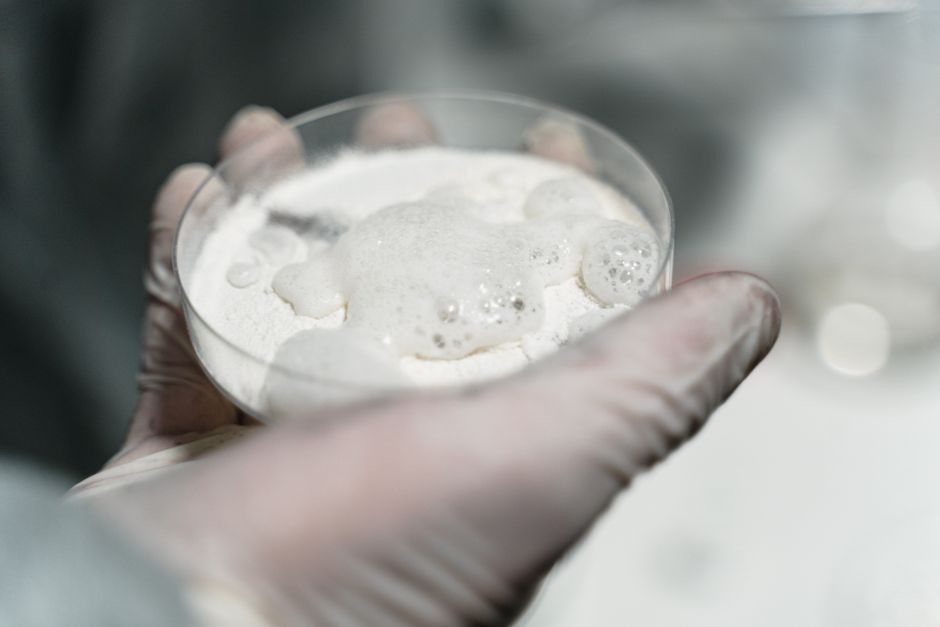
A close-up view of a laboratory technician testing a sample of protein powder to ensure high quality standards.
Core Principles Behind Supplement Efficacy
Core Principles Behind Supplement Efficacy dictate that the structural foundation of your stack must rely on compounds with proven metabolic function. Creatine functions by recycling energy within muscle fibers, allowing for sustained high-intensity output during repetitive weight lifting. Many successful training programs incorporate these core substances alongside other performance support tools to manage recovery phases efficiently. Understanding the baseline physiology of how your body processes protein and creatine allows for a more personalized approach to athletic development.
Building the Fitness Community through transparency
Building the Fitness Community through transparency is essential for shared progress among dedicated individuals seeking real growth. We recommend utilizing the expert health and well-being collective to source reliable information on community-driven fitness practices and supplement safety discussions. This fosters an environment where questions are answered based on consensus and scientific research.
Impact on Strength Training outcomes
Impact on Strength Training outcomes is highly positive when supplementation is synchronized with progressive overload principles. By increasing available phosphocreatine stores, athletes can push past prior plateaus in their strength training routine. Long-term gains in muscle mass are often realized when consistency in both training volume and dietary intake remain at the center of the athlete’s primary focus.
An Abstract approach to modern Supplementation
An Abstract approach to modern Supplementation transforms how we perceive foundational sports nutrition by shifting from reactive habits to data-driven physiological optimization. By 2026, the industry is moving toward a highly nuanced model where Creatine remains the gold standard, but its application is integrated into comprehensive biological profiling. Instead of viewing Supplements as isolated boosters, current protocols emphasize synergetic interactions between amino acids and metabolic catalysts. This shift requires a rigorous nutritional assessment to ensure that every dietary supplement serves a specific purpose in correcting deficiencies or enhancing existing output. As scientific evidence evolves, the focus transitions from basic ingestion to timing and bioavailability, ensuring that the body receives what it needs precisely when metabolic demand is highest. By refining the intersection of Exercise Science and Clinical Nutrition, athletes can now achieve superior baseline integrity, allowing Creatine monohydrate to function as a powerful anchor for sustained growth while supporting long-term wellness rather than merely providing short-term performance spikes during grueling strength training cycles.
Impact on Strength Training outcomes
Integrating Protein Powder into daily routines requires a strategic balance that complements a structured Creatine monohydrate regimen. For optimal results, pairing high-quality grass-fed whey protein with your post-workout shake ensures that muscle protein breakdown is effectively mitigated while simultaneously fueling muscle recovery. The key is consistency; protein intake should be distributed evenly throughout the day to sustain an anabolic environment conducive to structural tissue repair. When designing your nutrition plan, consider how the addition of protein powder interacts with your caloric budget, especially when aiming for body composition shifts. While Creatine supports phosphocreatine stores for explosive movement, protein provides the essential building blocks for systemic repair. By coordinating these inputs, you create a cohesive support system that enhances performance adaptation and lean mass retention. Always prioritize label transparency and test the digestibility of your chosen powder, ensuring that your daily intake remains clean and free from unnecessary fillers, thereby keeping your overall digestive health aligned with your primary strength training objectives.
Managing Weight Gain targets safely
Managing Weight Gain targets safely involves a disciplined focus on nutrient density rather than mere caloric surpluses. When utilizing Creatine monohydrate to support muscle mass expansion, the slight increase in intracellular fluid retention is often misinterpreted as fat gain. To manage this safely, athletes must prioritize a steady, incremental increase in complex carbohydrates and high-quality protein to support genuine tissue growth. Avoid the trap of excessive processed foods, which can interfere with metabolic function and compromise long-term gains. Instead, track your body weight alongside body composition markers to differentiate between needed muscle hypertrophy and undesired systemic weight gain. Consultation with a qualified dietitian ensures that your calorie goals are calibrated to your specific Physiology and output requirements. By maintaining stable energy levels through well-timed meals and consistent supplementation, you can reach your mass targets while preserving the agility and endurance necessary for peak athletic performance. Proper planning prevents the common pitfalls of rapid weight fluctuation, keeping your health metrics positive throughout the cycle.
Analyzing Creatine Effectiveness for Peak Exercise Performance
Analyzing Creatine Effectiveness for Peak Exercise Performance confirms that daily intake is necessary to maintain muscle saturation levels over time. Unlike stimulants that provide a brief spike, creatine monohydrate works over the long term to enhance your performance adaptation by priming the muscles for heavier workloads. The professional sports performance coaching resource highlights that athletes who maintain consistent dosages exhibit higher power output in clinical trials than those with erratic consumption patterns. This consistency is vital because the body needs stable concentrations of the compound to facilitate rapid energy production during short bouts of intense activity. Furthermore, creatine usage appears to mitigate certain markers of muscle protein breakdown, offering indirect benefits for recovery between training sessions. By prioritizing this fundamental nutrient, you create a physiological buffer that supports higher volume training, which is directly correlated with long-term muscle adaptation and enhanced body composition results for athletes of every level.
A visual showing a bar chart comparison of muscle energy levels before and after consistent creatine monohydrate usage.
The Role of ATP Production in Human Physiology
The Role of ATP Production in Human Physiology remains the primary mechanism by which creatine enhances physical effort. Through the rapid regeneration of adenosine triphosphate, muscle cells can continue to fire efficiently during the most grueling segments of a workout. While specialized fitness and recovery treatment can provide secondary support, the foundational energy provided by creatine is unmatched for anaerobic endurance capabilities. Understanding this biological pathway is the first step toward mastering your sport.
Impact on Strength Training outcomes
Sustaining the Fitness Community during high intensity bouts requires a focus on shared knowledge and scientific backing. When groups prioritize evidence-based nutrition over hearsay, the overall level of discourse and athletic achievement rises significantly. This communal approach encourages safer usage habits for all.
Refining Strength Training techniques for better results
Refining Strength Training techniques for better results involves not only the physical movement but also the chemical support provided by creatine. By combining proper biomechanics with accurate supplementation, you maximize every repetition and set performed. This dual approach ensures that your hard work translates into tangible physiological changes.
The Science Behind Boosting Muscle Energy Stores for Athletic Performance
The Science Behind Boosting Muscle Energy Stores for Athletic Performance centers on the role of phosphocreatine in rapid Adenosine triphosphate regeneration. During high-intensity exercise, the immediate availability of cellular energy is the primary limiting factor for output. Creatine monohydrate supplementation effectively expands these endogenous stores, allowing for increased work capacity during short, powerful bursts of exertion. This saturation process enhances metabolic function at the muscular level, enabling athletes to push beyond previous plateaus during intense strength training sessions. By maintaining higher phosphocreatine levels, the muscle can delay fatigue and uphold peak force production for a longer duration. This is not merely about size; it is about refining the efficiency of energy turnover, which directly translates to improved exercise performance. Evidence suggests that proper loading phases, followed by a maintenance dose, establish a reliable environment for athletic advancement. When supported by consistent nutrient intake, these elevated energy stores provide the foundation for consistent adaptations, allowing lifters and sprinters alike to maximize their output and decrease recovery time between grueling efforts.
Addressing Weight Gain concerns in athletes
Addressing Weight Gain concerns in athletes often begins with educating the individual on the physiological reality of water retention associated with Creatine monohydrate saturation. Because Creatine pulls water into the muscle cells, it is common to notice a rapid change on the scale; however, this is a beneficial process that reflects improved hydration at the cellular level. To address these concerns, focus on evaluating body composition rather than body weight as the primary metric of success. If scale weight remains a concern due to weight-class restrictions in sports, monitor usage patterns carefully to optimize performance without unnecessary fluctuations. It is crucial to distinguish between healthy muscle hypertrophy and unmanaged adipose tissue gain, the latter of which stems from excessive caloric intake independent of performance supplements. By emphasizing lean protein sources and maintaining a stable, nutrient-dense diet, athletes can manage their weight effectively while reaping the strength and power benefits of consistent supplementation. Always trust the underlying data of your performance metrics over static, non-contextual measurements like a daily scale reading.
Integrating Protein Powder into daily routines
Optimizing Protein Powder intake for recovery requires a clear strategy that leverages the synergy between rapid-digesting proteins and metabolic boosters. After high-intensity exercise, the body is primed for glycogen replenishment and muscle tissue synthesis. Incorporating a high-quality protein powder shortly after session completion helps to blunt muscle protein breakdown and promotes a positive nitrogen balance. While Creatine monohydrate enhances cellular energy potential, the amino acids found in quality protein serve as the essential modular components for physical repair. For athletes focused on body recomposition, timing protein intake around workout windows can significantly enhance muscle growth while supporting leaner body mass targets. Whether mixing your powder with water or incorporating it into a nutrient-dense post-workout meal, the goal is to bridge the gap between initial recovery and full physiological readiness. By balancing your protein intake with adequate micronutrients, you ensure that your body has a constant stream of substrate available, facilitating a faster return to training readiness and long-term athletic success.
Comprehensive Supplement Comparison and Product Quality
Comprehensive Supplement Comparison and Product Quality are the keys to avoiding sub-par products that fail to deliver desired results. A detailed cost analysis often reveals that the cheapest creatine monohydrate contains fillers, whereas higher-end brands focus on purity and solubility, leading to better outcomes for the consumer. When navigating marketplaces like holistic wellness and yoga blog, it is critical to prioritize third party certification to ensure that what is on the label matches exactly what is in the container. High-quality micronized creatine should dissolve easily in liquid without a gritty texture, which is a common hallmark of poor processing. Furthermore, checking for independent lab results regarding heavy metal testing and purity can distinguish reputable manufacturers from those cutting corners. As you navigate various brands, always evaluate whether the cost per serving is justified by the evidence of quality controls. Remember that low-cost alternatives may lack biological potency, ultimately wasting money that could have been invested in a premium formula that fuels your growth properly and safely.
Assessing Ingredient Labeling for Better Quality Markers
Assessing Ingredient Labeling for Better Quality Markers starts with recognizing that most potent supplements for growth are simple in their design. A single ingredient label for creatine monohydrate is often a sign of trustworthiness, as it leaves no room for hidden additives. For those who enjoy eclectic hobbies, even creative lifestyle and hobby tips enthusiasts can appreciate the beauty of a minimalist and honest product formulation. Avoiding complex proprietary blends is the safest way to guarantee you know exactly what is entering your body every single day.
Practical ways to fuel Strength Training goals
Practical ways to fuel Strength Training goals involve balancing whole foods like red meat for natural creatine intake with calibrated powder supplementation. This ensures you are reaching the recommended daily targets without needing to consume excessive amounts of calories. Always track your progress to see how these adjustments influence your total strength training capabilities.
Integrating Protein Powder into daily routines
Understanding the role of Protein Powder supplements is crucial, specifically when used as a partner to creatine. While creatine focuses on energy production, high-quality protein serves as the literal building blocks for your muscle repair. Together, they form a synergistic strategy that addresses both performance and physical recovery cycles for optimal fitness outcomes.
An Abstract approach to modern Supplementation
Essential Insights from Guillermo Escalante highlight the necessity of evidence-based practices when selecting high-quality Fitness Supplements. Drawing from extensive research in sports medicine and strength training, he emphasizes that the reliability and safety of a product are paramount. For consumers navigating the marketplace on sites like Amazon.com, third party certification is not just a suggestion but a requirement for ensuring labeling accuracy and product purity. When selecting Creatine monohydrate or other performance aids, it is crucial to avoid products that rely on marketing hype or proprietary blends that obscure dosage information. Instead, practitioners should look for products that undergo rigorous Quality Controls to verify their identity and potency. By prioritizing supplements backed by clinical data and transparent testing, you minimize your risk of ingestion of contaminants or ineffective fillers. Escalante’s perspective serves as a reminder that as the industry grows, the burden of verification rests on the educated consumer who demands consistency and scientific validation before integrating any new substance into their regimen.
Integrating Protein Powder into daily routines
Strategies to manage healthy Weight Gain involve careful planning that integrates caloric adjustment with sustained nutrient quality. Reaching a higher weight class or increasing muscle mass should be handled as a marathon, not a sprint, using lean sources of fuel that complement your Creatine monohydrate usage. Start by establishing a caloric surplus that promotes roughly 0.5 to 1 pound of weight gain per week, which creates enough energy for tissue synthesis without excessive adipose deposition. Incorporate frequent, high-protein meals and complex carbohydrate sources to keep glycogen stores full and hormones optimized. Monitoring your progress through body composition analysis ensures that you remain on track to build contractile muscle mass rather than unnecessary fat. Regular nutritional assessment by a certified professional can help identify if your rate of gain is appropriate for your Fitness goals. By moving beyond simple calorie tracking toward a more functional approach to nutrition, you ensure that your weight gain supports your long-term health, physical performance, and overall body recomposition targets.
Managing Weight Gain targets safely
Building a stronger Fitness Community through education is essential for dispelling widespread myths surrounding Supplements like Creatine monohydrate. By fostering an environment where members share scientific evidence from organizations like the ISSN, we encourage a culture of transparency and accuracy. Community initiatives should prioritize teaching individuals how to properly evaluate product claims, check for third party certification, and understand the difference between high-quality powders and over-priced designer blends. When members learn how to analyze their own hydration, recovery, and performance markers, the community shifts away from anecdotal advice and toward informed, collective growth. Providing resources on nutrition, safe weight management, and effective training protocols empowers everyone to make better decisions for their health. By hosting workshops or detailed discussions, experts and coaches can mentor beginners on the fundamentals of performance support, ensuring that everyone feels equipped to achieve their specific fitness goals safely and efficiently, grounded in a shared understanding of modern exercise and sports nutrition standards.
Maximizing Muscle Growth with Pure Micronized Creatine
Maximizing Muscle Growth with Pure Micronized Creatine requires an understanding of how smaller particle sizes improve absorption rates. Micronized creatine is processed to have a surface area that is up to twenty times greater than standard varieties, which helps minimize digestive discomfort and promotes faster uptake into the muscle cells. Unlike Designer Creatine products that often come with high price tags and unproven performance claims, traditional monohydrate is backed by the ISSN and decades of scientific evidence demonstrating its efficacy for body composition changes. Many dedicated lifters prefer sourcing their nutrition from platforms like international destination event planning guide where the search for quality is as important as the event itself. By focusing on simple, pure formulations, you remove the guesswork and potentially lower the cost per serving while ensuring you receive a dose consistent with clinical recommendations. This approach keeps your training goals grounded in proven science rather than the latest marketing hype that usually surrounds new, flashy fitness supplements sold on popular online retail marketplace today.

A professional athlete standing in a modern, well-equipped local gym with various weights and training equipment visible.
An Abstract approach to modern Supplementation
Distinguishing Creatine HCl from Creatine Monohydrate is a common challenge for those looking to invest in effective Fitness Supplements. While Creatine HCl is often marketed for its potential to dissolve better in water due to its hydrochloride salt pairing, substantial scientific evidence continues to firmly support Creatine monohydrate as the most tested and reliable form. The vast majority of performance-based research, including findings reported by the ISSN, validates the monohydrate form for its exceptional bioavailability and proven impact on ATP regeneration. While newer designer creatine versions often carry a higher cost per serving, they rarely provide significant performance advantages over the well-established monohydrate base. Consumers should consider the consistency of their Results against the premium price of alternative salts. In many cases, a simple, pure micronized monohydrate powder provides the exact same benefits at a fraction of the cost, making it the most sensible selection for those focused on maximizing their structural growth and strength output through research-backed pathways.
Integrating Protein Powder into daily routines
Best practices for Strength Training recovery involve a multifaceted approach where consistent creatine supplementation acts as a cornerstone for cellular repair. After intense sessions, your muscles enter a critical phase of repair where they require optimized metabolic function to replenish lost stores of energy. Utilizing pure monohydrate supports faster synthesis of adenosine triphosphate, which is essentially the body’s primary fuel source for high-intensity bursts of activity. When you prioritize recovery through both adequate hydration and steady creatine intake, you naturally reduce muscle protein breakdown. Expert trainers often emphasize that this systematic support is not merely a post-workout luxury but a biological necessity for long-term consistency. By integrating high-quality amino acids alongside your creatine protocol, you create an environment conducive to hypertrophy, ensuring that each lifting session builds upon the last without excessive fatigue or prolonged soreness. Always remember that rest periods are when the actual muscle growth occurs, making effective recovery techniques arguably more important than the intensity of the training session itself.
Managing Weight Gain targets safely
Choosing the right brand for Weight Gain requires a discerning eye for quality control and label transparency amidst a crowded marketplace of fitness supplements. When your primary goal involves putting on lean mass, the source of your creatine matters significantly because purity dictates bioavailability and overall effectiveness. Look for manufacturers that prioritize third-party certification to guarantee the absence of fillers that might compromise your nutritional assessment goals. A reputable brand often provides an easy-to-read cost per serving analysis and clearly displays the raw material origin on the packaging. Instead of falling for trendy designer creatine products, stick to established forms like micronized monohydrate which offers proven scientific evidence for supporting body composition changes over time. By focusing on products that provide consistent, clinical doses without unnecessary additives, you can better manage your daily macros. Always verify the manufacturer’s reputation through independent consumer reviews and verified purchasing platforms to ensure you are investing in genuine strength training results rather than speculative marketing promises.
Establishing Statistical Analysis for Athletic Performance
Establishing Statistical Analysis for Athletic Performance allows you to track progress with scientific precision. By logging your intake of creatine and comparing it against your volume in the gym, you can observe clear trends in your own adaptation. This personalized data collection serves as an invaluable tool for any serious athlete, taking the guesswork out of whether a supplement is working for your specific biological chemistry.
Managing Weight Gain targets safely
The impact of Protein Powder on long-term gains is best measured by consistency and steady intake patterns. Many athletes find that by incorporating protein alongside their creatine, they experience less soreness and quicker returns to the gym. Maintaining this steady dietary intake is one of the most effective strategies for long-term health.
Improving the Fitness Community standards
Improving the Fitness Community standards continues to be a driving force for many professionals in the health sector. By demanding better transparency from manufacturers, we ensure that every person in the community receives products that are safe. Education remains the primary tool for fostering these higher quality industry standards.
Next-Gen Strategies for 2026 Creatine Supplement Integrity
Next-Gen Strategies for 2026 Creatine Supplement Integrity are shifting toward total transparency as the industry matures into a more clinical domain. As sports nutrition evolves, the focus has moved beyond basic efficacy to comprehensive batch testing and verifiable documentation of production protocols. By 2026, the standard for any high-quality dietary supplement will involve blockchain-verified ingredient sourcing, ensuring consumers can trace their creatine all the way back to the original manufacturing facility. This level of oversight addresses common concerns regarding adulteration and inconsistent purity levels that have hampered the market previously. Athletes now demand rigorous safety validations and detailed assessments of performance support claims before committing their training budget to a specific regimen. Embracing these advanced verification strategies not only bolsters consumer confidence but also ensures that every gram of supplement serves a clear physiological purpose. By aligning with brands that adopt these proactive measures, regular gym-goers and elite competitors alike can optimize their health and performance outcomes with complete peace of mind regarding what they put into their bodies.
Why Third-party Testing Defines the Future of Sports Nutrition
Why Third-party Testing Defines the Future of Sports Nutrition lies in the necessity to bridge the gap between manufacturer promises and the actual content found within the container. Independent testing serves as an essential gatekeeper that provides objective evidence regarding purity, potency, and the presence of banned substances. In an era where supplement formulations are increasingly complex, relying on internal company reports is no longer considered sufficient. Third-party certification confirms that the product matches the labeling accuracy, ensuring users receive exactly what they pay for without unexpected impurities. For those dedicated to athletic performance, this verification represents a vital protection layer that prevents accidental positive tests for prohibited ingredients while guaranteeing the quality of every dose. As consumers become more scientifically literate, the demand for this independent verification will only intensify, forcing the entire industry to adopt higher standards. Ultimately, brands that embrace radical transparency through outside audits are the ones that will define the future, establishing a new reality where trust is backed by empirical data rather than mere advertising.
Managing Weight Gain targets safely
Reliable testing for Strength Training supplements ensures that the physiological output of your training matches the efforts you put into the gym. When you choose a brand that subjects its creatine to rigorous assessment protocols, you mitigate risks associated with heavy metal contamination or inaccurate ingredient labeling. This process is particularly crucial for athletes who need to ensure their metabolic function remains optimized for endurance and power without exogenous interference. High-quality testing laboratories utilize advanced methods like high-performance liquid chromatography to verify the concentration of active molecules, providing a baseline of consistency that is essential for long-term health. Because dietary supplements are not governed by the same strict regulations as pharmaceutical medications, consumer vigilance paired with independent verification is mandatory. By identifying which products satisfy recognized quality controls, you can build a more sustainable approach to your athletic preparation, ensuring that your muscle recovery is supported by clean, scientifically backed sources that function in harmony with your body rather than introducing unnecessary variables.
Clarifying the abstract nature of Ingredient Labeling
Clarifying the abstract nature of Ingredient Labeling is a critical task for any consumer who wants to optimize their sports nutrition without falling prey to marketing jargon. Many supplement labels use proprietary blends or vague terminology to hide the actual dosages of active materials like creatine or HMB, making it difficult to understand exactly how much of a performance-enhancing agent is actually included. Understanding how to interpret these labels requires recognizing the difference between a high-quality monohydrate and less effective, novel variations that often cost more for less proven benefits. When the label lists standard ingredients clearly with dosages supported by the ISSN or other professional organizations, it demonstrates a commitment to transparency that you should prioritize. By focusing on products that provide full disclosure, you can better tailor your own dietary assessment to meet your specific needs for growth, power, and recovery. Never hesitate to cross-reference label claims with independent data if the information provided on the bottle appears incomplete or potentially misleading for your intended goals.
Validating Product Testing and Supplementation Safety
Validating Product Testing and Supplementation Safety is the cornerstone of responsible athletic performance, as it ensures that the substances intended to fuel your body are free from contaminants that could hinder your physiological progress. Safety testing involves evaluating every aspect of the manufacturing process, from the source of the raw material to the final packaging stage. For those focused on consistent muscle growth, ensuring the purity of your creatine monohydrate is as important as the actual training frequency. Risks such as mold, bacteria, or residual solvents can compromise immune health, which in turn diminishes your ability to recover between sessions. Effective validation programs consider the entire life cycle of the product, ensuring that batch consistency is maintained over time. When you prioritize safety through diligent manufacturer research, you protect your body from unnecessary inflammation and potential performance slumps. This standard of testing is not just about avoiding immediate harm but about fostering an environment where your body can consistently adapt to increasing demands over months and years of practice.
Balancing Protein Supplements with daily macros
Balancing Protein Supplements with daily macros involves integrating high-quality sources like grass-fed whey protein with your targeted creatine intake to ensure your body composition goals are met. Protein provides the essential amino acids required for repair, while creatine facilitates the energy production necessary to achieve higher volumes of work. For the best outcome, you should calculate your total daily intake by assessing your body weight and training intensity, distributing these elements appropriately across your meals. Over-reliance on supplements can sometimes neglect the importance of a whole-food diet, but when used strategically, they fill the gaps where convenience is needed most. Ensuring your fiber, healthy fats, and micronutrients are included alongside these aids is key to maintaining stable energy levels without experiencing the bloating that sometimes comes with poor nutritional planning. By creating a structured framework for your caloric and macronutrient distribution, you allow yourself more flexibility for success, knowing that you have secured the foundational building blocks required for consistent, long-term athletic adaptation.
Enhancing Pre-Workout Performance naturally
Enhancing Pre-Workout Performance naturally requires a combination of proper hydration, nutrient-dense meal timing, and the strategic use of evidence-backed ergogenic aids such as creatine. Before approaching a heavy resistance training set, ensuring your systemic phosphocreatine stores are saturated allows for superior force output and greater muscular endurance. While some individuals look toward complex stimulants to boost motivation, true performance gains originate from the underlying metabolic efficiency that daily supplementation provides. Pairing your creatine with a source of complex carbohydrates can help facilitate better uptake into the muscle cells, creating a more sustainable energy environment for the workout ahead. By focusing on your foundational nutrition and managing internal stress, you prepare your body to perform at its peak naturally and without total reliance on sudden, fleeting caffeine spikes. This consistent approach leads to better adaptation over time, allowing for more substantial growth and faster recovery, while keeping your nervous system balanced for the high-intensity efforts demanded by serious athletic pursuits.